
Galle Fort Sri Lanka
Galle Fort National Museum
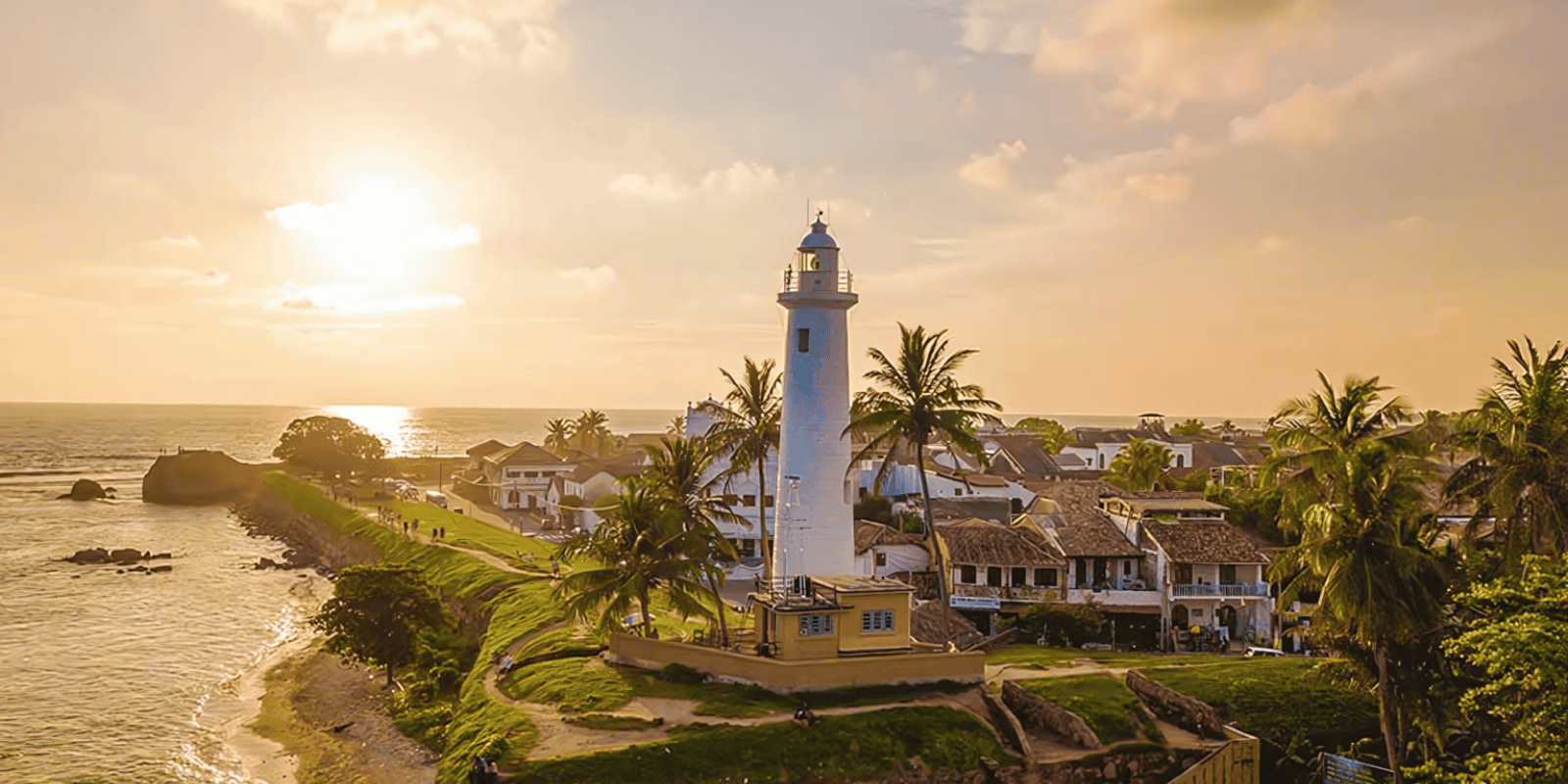
Gallery
Galle Fort National Museum Photos
Attraction Details
About Galle Fort National Museum
Galle Fort National Museum is one of the important places to experience when exploring Galle Fort, Sri Lanka. Located around Church Street, this attraction forms part of the living heritage landscape that makes Galle Fort one of the island’s most memorable destinations. Galle Fort is widely admired for its colonial architecture, oceanfront ramparts, cultural diversity, boutique hospitality and walkable streets. For visitors searching for attractions in Galle Fort, Galle Fort National Museum offers a meaningful stop that connects history, photography, local atmosphere and practical travel planning.
About Galle Fort National Museum
Galle Fort National Museum is best understood as part of the wider story of Galle Fort, a historic fortified town on Sri Lanka’s southern coast. The fort was first established by the Portuguese in the late sixteenth century and later reshaped by Dutch and British influence. Today the old town continues to function as a living heritage city rather than an isolated monument. Visitors will find homes, hotels, cafés, museums, religious buildings, art galleries, shops and everyday local life existing within the same stone walls. This balance between heritage and daily life is one of the reasons Galle Fort feels different from many other historical sites in Asia.
Historical and Cultural Importance
The historical value of Galle Fort National Museum is connected with the Colonial Period. This period helped shape the architecture, layout, religious character, trading activity and defensive design of the fort. Even when a visitor does not know the full history before arriving, the atmosphere of Galle Fort quickly reveals its layered past. Stone walls, narrow lanes, arched windows, verandas, tiled roofs, churches, mosques and old warehouses all contribute to the cultural identity of the area. Galle Fort National Museum gives travellers a useful way to understand how different communities and colonial powers influenced the fort over several centuries.
Visitor Experience
For most travellers, visiting Galle Fort National Museum is not only about seeing a landmark; it is about slowing down and enjoying the rhythm of Galle Fort. The area is highly walkable, and many of the best experiences are discovered on foot. Visitors can move from the ramparts to heritage streets, from museums to cafés, and from viewpoints to boutique shops within a short distance. Around Church Street, travellers often pause for photos, look at architectural details, read historical signs, or continue toward nearby attractions. This makes Galle Fort National Museum suitable for first-time visitors, families, couples, photographers and anyone interested in Sri Lankan heritage.
Architecture and Atmosphere
The architecture around Galle Fort National Museum reflects the wider character of Galle Fort. Depending on the exact location, visitors may see thick stone walls, defensive bastions, colonial façades, religious buildings, shaded courtyards, restored villas or ocean-facing open spaces. These visual details are important for the premium travel identity of Galle Fort. Unlike a modern resort area, the charm here comes from preserved scale, texture and atmosphere. The colours of the old walls, the sound of the sea, the contrast between tropical light and colonial forms, and the presence of local businesses all help create a distinctive sense of place.
Best Time to Visit
The best time to visit Galle Fort National Museum is usually during the morning or late afternoon. Morning visits are comfortable for walking, photography and quiet exploration, while late afternoon gives warmer light and a more relaxed atmosphere. If Galle Fort National Museum is near the oceanfront ramparts, sunset can be especially beautiful. Midday can be hot, so visitors should carry water, wear comfortable shoes and use sun protection. During rainy periods, short showers may pass quickly, and the wet streets can create a different mood for photography. Galle Fort can be visited throughout the year, but weather and crowd levels may change by season.
Photography Tips
Galle Fort National Museum is a useful stop for travel photography because it represents the mix of heritage, tropical light and coastal scenery that visitors associate with Galle Fort. For the best photos, try to arrive when the light is soft. Early morning often gives quieter streets, while golden hour brings warmer tones to walls, roofs and ocean views. Wide shots can show the setting, while close-up images can capture doors, windows, stone textures, signs and architectural details. Visitors should also be respectful when photographing religious places, private homes or local people. A slower approach usually produces better images and a better visitor experience.
Nearby Attractions
One of the strengths of Galle Fort is how close many attractions are to one another. After visiting Galle Fort National Museum, travellers can usually continue to nearby ramparts, streets, museums, churches, cafés or viewpoints without needing transport. Popular nearby stops may include Galle Lighthouse, Galle Fort Clock Tower, Dutch Reformed Church, the Old Dutch Hospital, Flag Rock Bastion, the Maritime Museum or Pedlar Street, depending on where the visitor begins. This makes it easy to include Galle Fort National Museum in a half-day or full-day walking itinerary through Galle Fort.
Travel Planning Advice
Visitors planning a trip to Galle Fort National Museum should allow time to walk slowly and explore the surrounding area. Galle Fort is compact, but it rewards curiosity. A quick visit may cover the major landmarks in a few hours, while a slower visit can include meals, shopping, museums, photography and sunset. Comfortable footwear is recommended because many streets are best experienced on foot. Travellers staying in hotels inside or near the fort can revisit the same places at different times of day. This is especially useful for photographers and history lovers who want to experience the changing atmosphere of the old town.
Why Galle Fort National Museum Matters for Galle Fort
Galle Fort National Museum matters because it helps tell the broader story of Galle Fort. The fort is not defined by one monument alone; it is a complete heritage environment made up of streets, bastions, public spaces, religious sites, museums, hotels, restaurants and cultural landmarks. Each attraction adds another layer to the visitor journey. Some places explain military history, others reveal maritime trade, religious life, colonial architecture or modern creativity. Together, they make Galle Fort one of the most important heritage destinations in Sri Lanka.
Facilities and Visitor Notes
Facilities around Galle Fort National Museum depend on the exact location, but Galle Fort generally offers cafés, restaurants, boutique hotels, shops, galleries and visitor-friendly walking routes. Public areas such as streets and ramparts are usually easy to explore, while museums and private attractions may have opening hours or ticket requirements. Visitors should check current details before travelling, especially during public holidays or special events. The experience is best enjoyed with enough time to walk, rest, take photos and appreciate the details rather than rushing from one landmark to another.
Frequently Asked Questions About Galle Fort National Museum
Is Galle Fort National Museum worth visiting?
Yes. Galle Fort National Museum is worth visiting because it forms part of the historical, cultural and visual experience of Galle Fort. It is especially useful for travellers interested in Museum, Historical Site, Family Friendly, Paid Entry.
Where is Galle Fort National Museum located?
Galle Fort National Museum is associated with Church Street inside or around Galle Fort, Sri Lanka.
How much time do I need?
Most visitors can include Galle Fort National Museum as part of a wider Galle Fort walking route. Allow extra time if you want to take photographs, visit nearby attractions or stop for food and drinks.
Is it good for photography?
Yes. Galle Fort is one of Sri Lanka’s best heritage photography areas, and Galle Fort National Museum can be included in a strong photo route, especially during morning or late afternoon light.
Galle Fort
GalleFortSriLanka.com is a comprehensive guide to Galle Fort, Sri Lanka. Discover attractions, hotels, restaurants, weather forecasts, maps, events, history and travel information for Sri Lanka’s most famous UNESCO World Heritage Site.
Explore Galle Fort
Galle Fort Attractions
Hotels in Galle Fort
Restaurants in Galle Fort
Shops in Galle Fort
Galle Fort Map
Travel Information
Galle Fort Weather
Galle Fort Events
Travel Guide
History of Galle Fort
Galle Fort Blog
Official Travel Resources
UNESCO World Heritage Centre
Sri Lanka Tourism Development Authority
Sri Lanka Tourism
Sri Lanka ETA Visa Portal