Nestled on Sri Lanka’s southwest coast, the magnificent Galle Fort stands as a timeless sentinel, whispering tales of ancient maritime trade, colonial grandeur, and resilient local life. More than just a collection of ancient ramparts and colonial-era buildings, this UNESCO World Heritage Site is a living, breathing testament to centuries of intertwined cultures. From its strategic beginnings as a bustling port to its present-day status as a cherished cultural hub, Galle Fort, Sri Lanka, invites you to step through its formidable gates and embark on a journey unlike any other. This ultimate guide will delve into its captivating history, reveal its unmissable attractions, share local secrets, and equip you with essential travel tips to ensure your visit is truly unforgettable. Prepare to be enchanted by the enduring charm of the Dutch Fort Galle.
1. A Brief History of Galle Fort: From Portuguese Stronghold to Dutch Masterpiece
The story of Galle Fort is a vivid tapestry woven with threads of diverse cultures and colonial ambitions. Before the Europeans arrived, Galle was known as “Gimhathiththa,” an ancient port dating back to biblical times, frequented by Arab, Persian, Greek, and Roman traders for its precious spices, particularly cinnamon.
The first European footprint was laid by the Portuguese in 1505 when a fleet, blown off course, landed near what is now Galle. They established a small fort, the “Santa Cruz,” primarily made of earth and palisades, solidifying their presence as traders. However, their fortifications were rudimentary.
It was the Dutch, with their formidable engineering prowess, who truly transformed Galle into the impregnable fortress we see today. After a prolonged siege, the Dutch East India Company (VOC) captured Galle from the Portuguese in 1640. Recognizing its strategic importance, they embarked on an ambitious fortification project from 1649 onwards. The Galle Fort architecture became a testament to Dutch military engineering, with robust granite and coral ramparts, an intricate drainage system, and strategically placed bastions like the Sun, Moon, and Star. By the 18th century, Galle reached its zenith under Dutch rule, becoming a major administrative and trading hub in the East.
In 1796, the British peacefully took control of Galle from the Dutch. Unlike their predecessors, the British largely preserved the fort’s existing structure, using it as an administrative center. Today, the layered history is visible in every street and building, a remarkable blend of European planning principles and South Asian adaptations.
2. Galle Fort UNESCO World Heritage Status: Why It’s Globally Significant
In 1988, the “Old Town of Galle and its Fortifications” was rightly inscribed as a UNESCO World Heritage Site (Criterion IV). This prestigious recognition underscores its “outstanding universal value” as an exceptional example of an urban ensemble that illustrates the interaction of European architecture and South Asian traditions from the 16th to the 19th centuries during the period of European expansion in Asia.
The Fort’s authenticity and integrity are remarkably preserved. Its original street grid, the distinct facades of its buildings, the scale of its streetscapes, and the ingenious construction techniques using local materials like coral and granite, all reflect its unique history. The fact that it remains a vibrant, living community, rather than a mere museum piece, further enhances its significance. This Galle Fort UNESCO status ensures its protection and appreciation for generations to come.
3. Things to Do in Galle Fort: Must-See Attractions & Unique Experiences
The beauty of Galle Fort lies in its ability to transport you to another era while offering a vibrant contemporary experience. Here are the things to do in Galle Fort that you absolutely shouldn’t miss:
- Walk the Historic Galle Fort Ramparts: A Panoramic Stroll The most iconic activity in Galle Fort is a leisurely stroll along its massive ramparts. These ancient walls, designed for defense, now offer breathtaking panoramic views of the Indian Ocean on one side and the charming terracotta rooftops of the Fort on the other. Start near the Clock Tower and walk towards the famous Galle Fort Lighthouse at Point Utrecht Bastion. This walk is particularly magical at sunrise or sunset when the light paints the sky in fiery hues. You’ll encounter locals, vendors, and the occasional daring cliff jumper at Flag Rock Bastion.
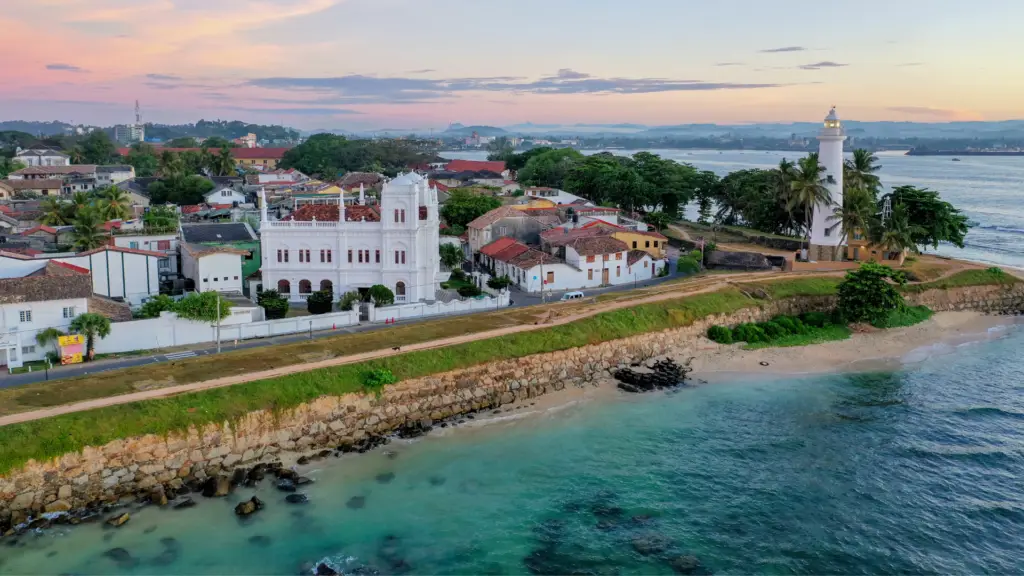
- Ascend the Iconic Galle Fort Lighthouse Perched majestically at the southern end of the Fort, the gleaming white Galle Fort Lighthouse is arguably the most photographed landmark. While you can’t climb to the very top, its picturesque setting against the azure ocean and swaying palm trees makes it a perfect spot for photos and a quintessential Galle Fort experience. The original lighthouse, built in 1848 by the British, was destroyed by fire and rebuilt in 1939.
- Explore the Architectural Wonders: Churches, Mosques & Colonial Houses The Fort is an architectural treasure trove, showcasing a harmonious blend of Dutch, Portuguese, and British influences, subtly adapted with local Sri Lankan craftsmanship.
- Dutch Reformed Church (Groote Kerk): One of Sri Lanka’s oldest Protestant churches, built in 1755, this magnificent structure boasts a unique interior with gravestones as floor tiles and a stunning pipe organ.
- Meeran Mosque: Facing the lighthouse, this striking mosque showcases a unique blend of Baroque, Victorian, and Islamic architectural elements, reflecting the Fort’s multicultural population.
- All Saints’ Anglican Church: A beautiful Gothic Revival-style church built in 1871, known for its intricate stained-glass windows.
- Colonial Houses: Wander the narrow, tree-lined streets and admire the beautifully preserved villas, many with shaded verandas and internal courtyards, showcasing the distinctive “Galle Fort style.”
- Shop ‘Til You Drop: Pedlar Street’s Boutiques & Artisanal Crafts Galle Fort shopping is an experience in itself. Pedlar Street, the main artery, is lined with charming boutiques, art galleries, gem shops, antique dealers, and handicraft stores. You’ll find unique souvenirs, handloom textiles, intricate lacework, and ethically sourced gemstones. Don’t be afraid to wander off the main streets to discover smaller, independent shops.
- Savour the Flavours: Galle Fort Restaurants & Cafes The Fort is a culinary delight, offering everything from traditional Sri Lankan rice and curry to international gourmet cuisine. The Galle Fort restaurants range from high-end dining experiences in restored colonial buildings to cozy cafes serving fresh juices and delectable pastries. The Old Dutch Hospital, once a colonial infirmary, has been beautifully restored into a vibrant precinct housing some of the Fort’s most popular restaurants and bars, offering a lively atmosphere, especially in the evenings.
- Unwind and Witness the Sunset at Flag Rock For an unforgettable sunset experience, head to Flag Rock Bastion, located at the southwestern tip of the Fort. As the sun dips below the horizon, painting the sky in a riot of colours, locals and tourists gather here to watch the spectacle. You might even spot the daring local divers performing their acrobatics into the sea below.
- Discover Hidden Gems: Museums & Local Life
- National Maritime Museum: Housed in a 17th-century Dutch warehouse, this museum delves into Sri Lanka’s maritime history, marine ecosystems, and traditional fishing methods.
- Galle National Museum: Located in the oldest Dutch building in the Fort, it showcases artifacts from Galle’s history, including traditional masks, colonial furniture, and archaeological finds.
- Historical Mansion Museum: A private collection offering a glimpse into a wealthy colonial household, complete with antiques, gems, and a working traditional lacemaking demonstration.
- Simply observe Galle Fort local life. Witness children playing cricket in open spaces, vendors selling their wares, and the daily rhythm of a community living within these historic walls.
4. Planning Your Visit to Galle Fort: Practical Travel Tips

Making the most of your Galle Fort travel guide means being prepared.
- Best Time to Visit Galle Fort: The ideal time to visit Galle Fort is during the dry season, from December to March, when the weather is sunny and pleasant. However, the shoulder months (April, May, September, October, November) can also be good, with fewer crowds and occasional rain. Be prepared for humidity year-round. Morning and late afternoon are the best times to explore on foot, avoiding the midday heat.
- Getting to and Around Galle Fort: Galle Fort is easily accessible from Colombo by train (a scenic coastal journey), bus, or private taxi/van. Once inside the Fort, it is best explored on foot. The narrow streets and pedestrian-friendly ramparts make walking the most rewarding way to discover its charm. Tuk-tuks are readily available just outside the Fort for short trips or if you prefer not to walk.
- Galle Fort Accommodation: Where to Stay The Fort offers a range of accommodation options, from luxurious boutique hotels housed in restored colonial mansions to charming guesthouses. Staying inside the Fort allows you to immerse yourself fully in its ambiance, especially in the quieter evenings.
- Respecting Local Culture: Galle Fort is a living community. Dress modestly, especially when visiting religious sites. Always ask for permission before taking photos of people. Bargaining is common in smaller shops but do so respectfully.
5. Beyond the Walls: Day Trips from Galle Fort
While Galle Fort offers endless exploration, its location makes it an ideal base for short excursions:
- Unawatuna Beach: Just a short tuk-tuk ride away, perfect for swimming, sunbathing, and enjoying vibrant beachside cafes.
- Jungle Beach: A secluded cove near Unawatuna, offering calm waters and snorkeling opportunities.
- Japanese Peace Pagoda: Located on Rumassala Hill, offering stunning views of Galle Bay and the Fort.
- Turtle Hatcheries: Several conservation centers along the coast where you can learn about sea turtle protection.
- Koggala Stilt Fishermen: Witness the iconic stilt fishermen (though many are now set up for tourists, it’s still a unique sight).
Conclusion: Your Unforgettable Galle Fort Adventure Awaits
Galle Fort is more than just a historical monument; it’s a vibrant cultural tapestry, a living museum, and an unforgettable destination that captivates every visitor. From its layered history and stunning architecture to its bustling streets and serene ramparts, every corner holds a story. Whether you’re a history buff, an architecture enthusiast, a keen photographer, or simply a traveler seeking unique experiences, Galle Fort, Sri Lanka, promises an adventure that will linger in your memories long after you leave.
Plan your visit today and immerse yourself in the magic of Galle Fort!